

What would have happened if Leif Eriksson had settled Vinland permanently in 1000 AD?
That question was an itch that I have kept scratching for many decades. Sailing across the Atlantic, albeit on an ocean liner, and arriving in America by sea, made it one I had to resolve.
NaNoWriMo gave me the perfect opportunity, and a short story called ‘Eagle Muse’ became the starting point for a novel called Eagle Crossing. In fact, ‘Eagle Muse’ was dis-assembled to become the components in scenes from an early chapter to the ending.
So, what, you ask impatiently, is the book’s connection to the Vikings?
Well, the lead character, Torill Migisi is descended from the shamaness that helped persuade Leif Eriksson to stay and work with the indigenous people – a thousand plus years earlier. Yes, this is alternative history, set in a world that is still in the Viking Age.
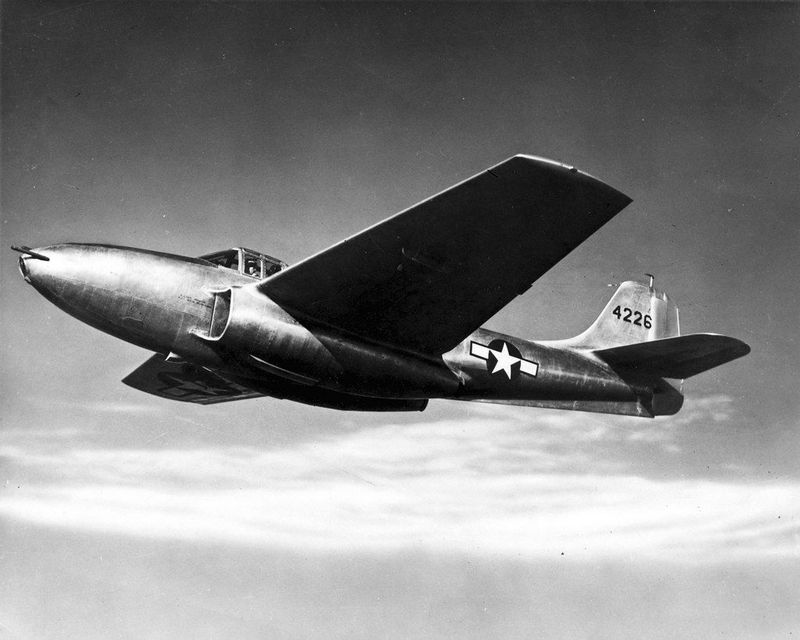
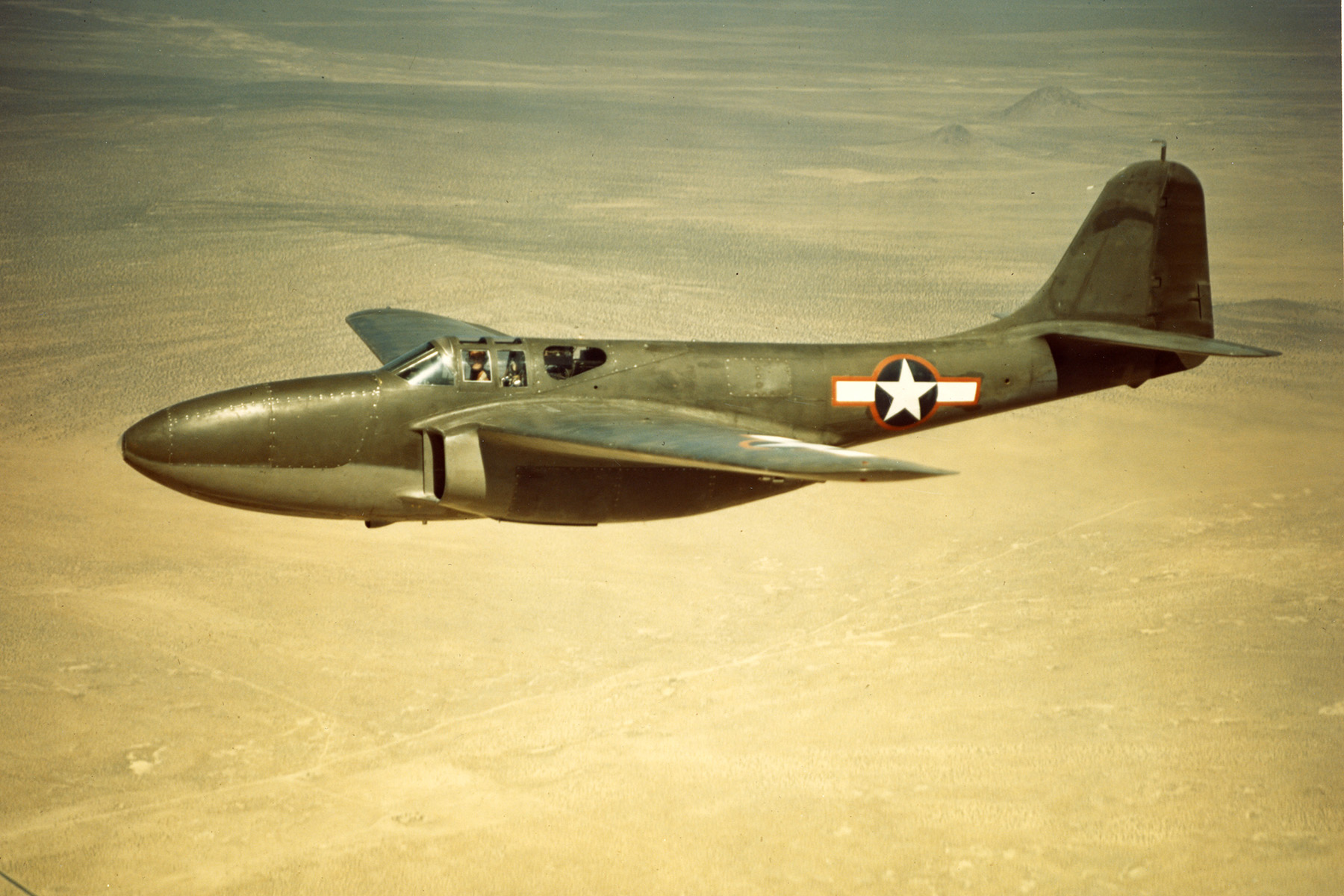
It’s 2020 AD, and the Migisi family has an international shipping business, but using ocean-going vessels and airships – not steampunk craft, though. These airships are high-tech, sleek and fast – but not as fast as the jet that Torill’s brother salvaged from the depths of Lake Gichigami. Yes, the Big-sea-water in The Song of Hiawatha , which we know as Lake Superior.

The indigenous people have equal, if not a higher status on this continent, so many places and people have native names. For instance, Stadacona is the capital of this confederation, and Migisi is a Chippewa name meaning ‘Eagle.’. Is any of this a clue to where Kanata is? I hope that you all said Canada, especially as that originated from a St. Lawrence Iroquoian word, ‘kanata’ meaning village or settlement. All you Canadians reading this knew that of course.
So, what’s a jet doing in a world of airships? That’s the question that drives Torill’s quest to save the Migisi business because the jet has the white star markings of the Dixie States, the Southern neighbour of Kanata, with their capital at Charlotte. Hey, what happened to Washington? Did the British burn it down again? Not quite, but the Dixies lost it in a border dispute with Kanata, and Britain has been a Viking nation and Kanata ally since 1040.
However, the major concern is the continent-wide Arms Ban. Someone must be using the star-marked jet to stir up another war with the Ibero América Coalition. But who? Is the answer in the past? Kanatian forces did help the Texians defeat the Mexicans at the Alamo, but Migisi involvement in the under-hand events of 2020 implicates Kanata. Can Torill prevent the continental war that the three nations have avoided for a thousand years?
Don’t panic, the book’s blurb is shorter than the above. I’m just giving you a tour of the developing world. The novel has two plotlines: 1) Torill’s quest to prevent a continental war that would cost lives and bring the end of a rich legacy; 2) the historical development of this Viking Age and the Migisi family’s role down the ages.
I track this evolution through flashback chapters like ‘1759- Stadacona’ when on 13 September, the French attempt to seize the Kanata capital – a rewrite of the Battle of the Plains of Abraham, outside the walls of Quebec City. The Alamo is there, along with Columbus’s arrival in the Bahamas – 492 years too late.
There are more flashbacks, in America and back in Europe where Vikings were an influential force in our timeline. With Kanata behind them, these warrior-traders can change European history. So, watch out Napoleon, and forget about the World Wars – unless that jet with the stars causes one.
Where can these Vikings come unstuck? Is this world possible? Do you want to live in the Kanata Samtök?
#
Extract from A to Z Challenge Theme Reveal
…The main plot of the novel is set in 2020 Kanata – the name originates from a St. Lawrence Iroquoian word, ‘kanata’ meaning village or settlement. This novel is alternative history with a dose of mystery, thriller, and a touch of spirituality. Spirituality as the heroine, Torill Migisi has latent shamanic powers that have been passed on for generations down the matrilineal line that leads her clan.
Torill’s grandmother, Chepi, appoints Torill as the next Matriarch to head the Migisi clan and the family’s successful trading corporation, Migisi Rederi, from Stadacona [Quebec City]. However, she puts off her calling, agreeing instead to transport a mysterious cargo for her brother, Andor, by high-tech airship. Airships are the primary means of global travel, and planes are less advanced.
Torill discovers that the cargo is a jet plane dredged from Lake Gichigami [Lake Superior], and then someone murders her great-grandmother. Torill and her airship’s crew are forced to escape the authorities who believe she is the killer and is smuggling illegal arms that could trigger a continental war. Why has the plane got the star markings of their neighbour, the Dixie States? This can’t be the plane that Chepi crashed in Gichigami in 1944. What can Torill do if this jet was Chepi’s plane?
The main plot is interspersed with stories about the Migisi ancestors involved with the development of the Kanatian world… For now, I will give you the initial event that set this alternative timeline in motion.
In December 1000 AD, Leif Eriksson is wintering in the settlement called Leifsbúðir on an island he has discovered west of Greenland. A Sámi slave, Arnbjörg notices that Leif’s old foster-father, Tyrkir is missing and searches for him. Fearing that the old retainer is in danger, she alerts Finnr, the bard presumed to be her father, and he tells Leif. Tyrkir is eventually found, drunk from eating the ‘grapes’ he has picked from some vines. Arnbjörg and Tyrkir identify the fruit as a variety of lingonberries. Leif calls the island Vineland, but his most aggressive followers advice fighting the natives and leaving.
However, Arnbjörg has a shamanic vision in which the goddess Skaði shows her what the land could yield if the Vikings stay and co-operate with the indigenous people. Skaði gives Arnbjörg her divine bow, with which she can convince Leif to remain.

A year later, when the settlers are establishing a trading post at Stadacona, Arnbjörg meets and marries a Chippewa native, Misko Etchemin of the Migisi clan. She becomes the spiritual leader of the Migisi clan and a driving force behind their trade ventures. The rest is history – or rather alternative history
Discover my original posts here:
This could be Kanata – December 18, 2016
For the A-to-Z Challenge in 2017, I wrote about some of the key historical episodes in my alternative history, which are detailed here:
Kanata – A to Z Challenge 2017 | Writing Wings
A to Z Challenge Theme Reveal – March 20, 2017

