

Episode 46 of Freedom Flights is set in June 2025 and will be released in two parts, as I post them. Some events foreshadowed in this episode will take a few months to play out, while others may be resolved in the next part. I have also continued to write each scene in 3rd-person limited POV.
I’m trying to foreshadow future incidents without making my characters react as if they know what will happen later in 2025… although they might fear what could happen. Also, I want each episode to focus on just a few RL incidents from a specific month, along with character and squadron development.
Therefore, until a just and lasting peace for Ukraine is reached and rebuilding begins, I will continue to write more episodes. Perhaps after that, I can finish writing the pre-2022 growth of the Chayka Family and Chayka Air, their aviation business based in Canada.
We must never forget the brave people fighting for freedom, with too many losing their lives. Let’s pray Western aid and weapons continue to reach Ukraine, despite unexpected interruptions. Assistance must arrive on time to change their fortunes and prepare for the genuine peace that must come soon.
Links to the previous episodes can be found on my Freedom Flights page via the left-hand sidebar.
**
Episode 46. Spinning Threats. Part 1. Deft Response.
2025
Tuesday, June 3rd – Covert Drone Base, Kharkiv Oblast, Ukraine
With a Ukrainian flag behind them, Canadian sisters Clodagh & Darina Kearney began the live broadcast of their podcast Kearney Encounter by welcoming viewers worldwide.
“Two days after Operation Spiderweb, Ukraine’s daring attack on Russian airpower,” said Clodagh. “We are pleased to have aviation journalist Aaron Garcia, who writes for Vuelo del Águila, here to assess its significance, especially in light of the burgeoning drone war and his current assignment.”
The shot cut to the tired Spaniard. “It was fortunate I was investigating the increasing use of drones on the frontline… drones that are becoming more deadly in their application.”
The screen changed to footage from one of the Operation Spiderweb drones approaching its target, a Russian bomber, past thick black smoke from another targeted bomber.
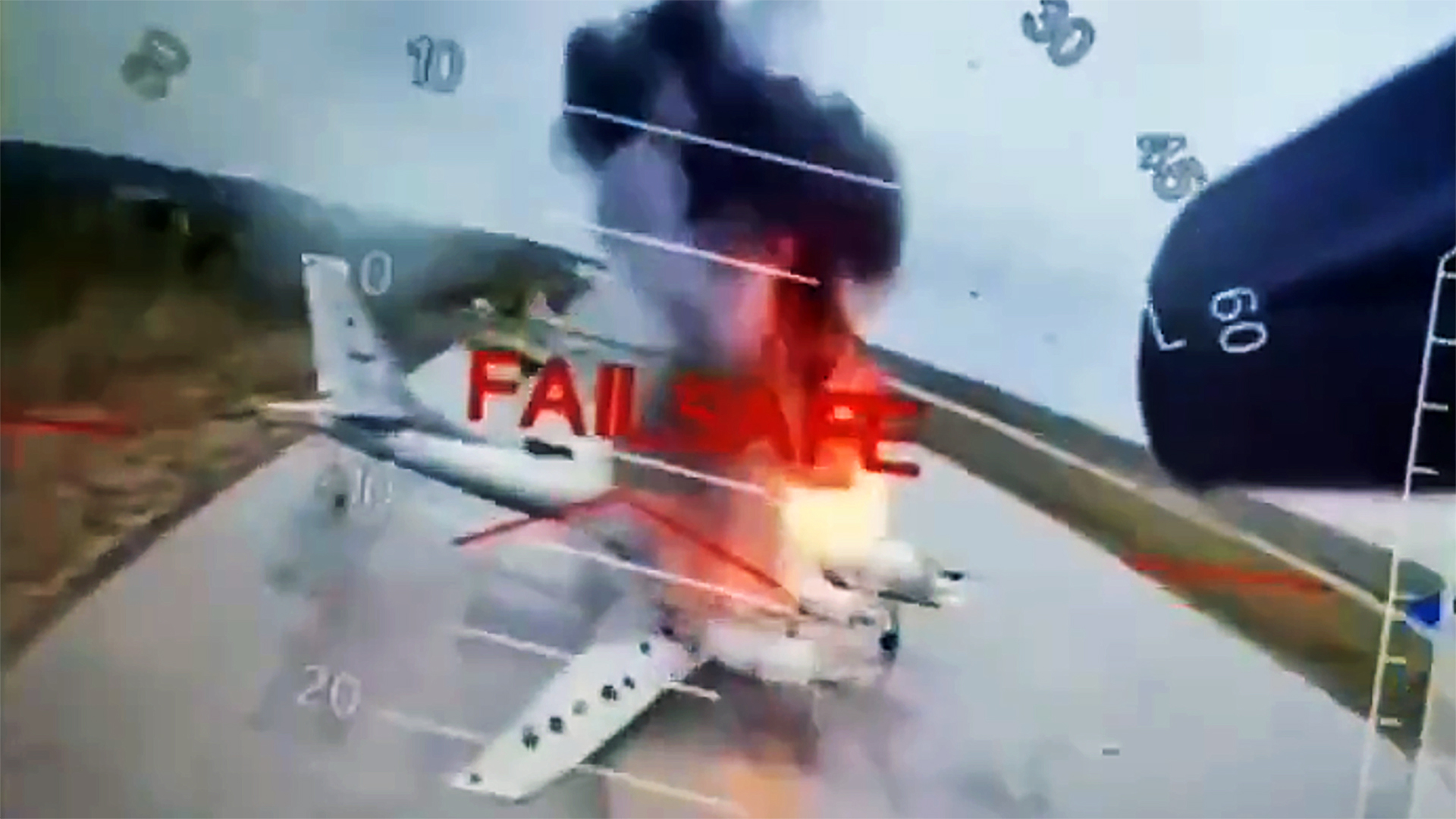
“This was an audacious attack,” said Darina. “What have you learnt so far?”
“From the announcements by Zelenskyy and the SBU security service, who conducted the operation, this took 18 months to organise. Four Russian bases were attacked, two were thousands of miles from Kyiv, and 41 of Russia’s expensive and impossible-to-replace planes were hit. The damage is still being assessed in terms of the total number destroyed. However, 34% of Moscow’s strategic cruise missile carriers were damaged or destroyed, crippling their ability to destroy Ukrainian civilian targets.”
As footage from some onboard drone cameras played, Clodagh asked, “We can see planes being hit with some explosions. Can you identify what they are?”
“Piecing together these images and satellite mapping images, I can agree that there are indications, so far, of at least 13 airframes that were destroyed. Four Tupolev Tu-95 four-engine turboprop-powered strategic bombers and four Tupolev Tu-22M3 supersonic, variable-sweep-wing, long-range strategic and maritime strike bombers were destroyed at the Belaya airbase. Four Tu-95s and one Antonov An-12 turboprop transport were destroyed at Olenya.”
“Weren’t there four bases struck?” asked Darina.
“Five were targeted, but the attack on the Ukrainka air base failed when the truck exploded. No images have yet emerged of Dyagilevo or Ivanovo, partly because cloud cover has obscured satellite analysis, although most damaging for Russia would be the loss at Ivanovo of one or two Beriev A-50s, their airborne early warning and control aircraft based on the Ilyushin Il-76 transport plane. Therefore, the number of aircraft destroyed or damaged could be higher.”
“How did Spiderweb unfold?” asked Clodagh. “Ukraine isn’t meant to have long-range drones.”
“The plan was masterful,” replied Aaron. “117 Osa drones were manufactured in secret locations in Ukraine, with almost nobody aware of their ultimate target. These ‘Wasp’ quadcopters, each with a payload of just over 3.2 kilograms, were smuggled into Russia, then hidden in the roofs of several wooden containers built to resemble regular mobile wooden cabins. These sheds were loaded onto trucks and driven by unsuspecting Russian drivers towards their target destinations. Once each truck stopped, the roof was raised by remote control, and the drones took off.”
“According to Zelenskyy, each drone had an operator in Ukraine,” said Darina, as a Russian video played. “That’s probably why these Russians were unable to stop the swarm of Wasps emerging from this container.”
The screen showed confused Russians watching, then trying to stop the emerging drones.
“Unsuccessful and the only incident that’s emerged so far,” said Aaron. “Maybe this is why the Kremlin has played down the attack. Although there was considerable damage to their bomber fleet, Russia will have to disperse its fleet across multiple airbases, but Putin will find a way to continue large-scale strikes aimed at overwhelming Ukrainian air defences. They will retaliate with whatever survives. I fear Russia’s Tu-160 fleet is largely still intact.”
“Despite the damage, which is being assessed fully,” said Clodagh. “The Ukrainian officials claim the current destruction is US$7 billion, achieved with $2000 drones.”
“Masterful, as I said. Will Trump remember telling Zelenskyy he has no cards, when this hand was already due to be played? A polka-play?”
“And today, Ukraine pulled off a daring underwater attack on the Kerch Bridge,” added Darina.
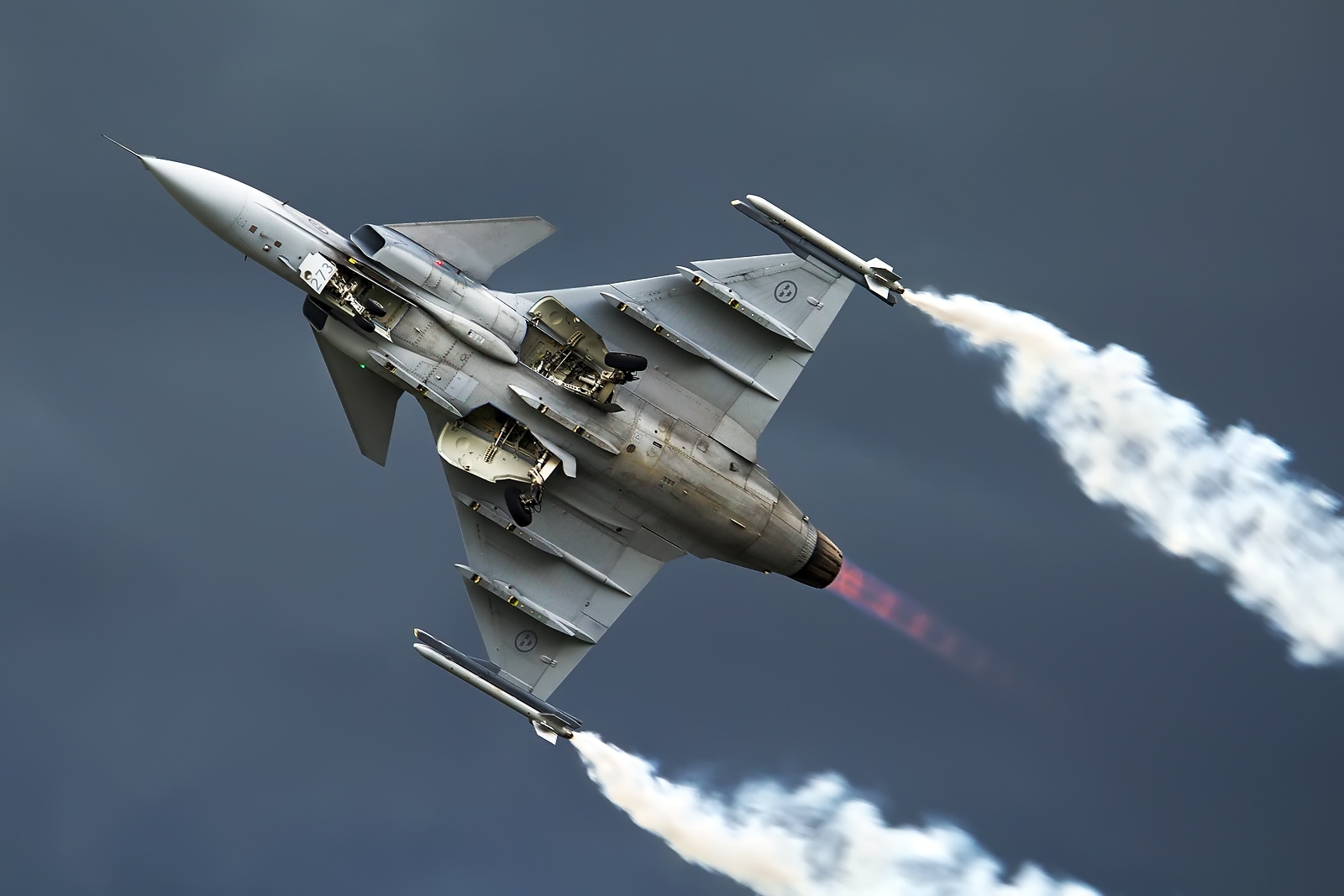
“However, I have a different mystery,” said Clodagh. “We’ve received this footage that claims to show Ukrainian Gripens operating somewhere in Western Ukraine. It can’t be genuine, Aaron?”
He studied it, knowing, as the Kearneys must, that only one squadron flew the Swedish jet.
“A clever compilation of different pieces, using AI to smooth out the discrepancies. It’s well-documented that Sweden is already training Ukrainian pilots to fly Gripens. Those jets could have the Tryzub fin flash emblazoned on them. Whoever created this also edited footage of Gripen Cs and Ukrainian Mirages together, focusing on their delta-wing similarity. AI would produce canards and create the illusion of the same flight of jets over Ukraine. Where was it supposedly taken?”
“Somewhere near the Polish border with the suggestion that Poland is where they are based. But a mélange of footage, stitched together with AI threads,” said the sisters in unison. “That makes perfect sense.”
“If Poland is involved, it’s only as a safe NATO territory to train Ukrainian pilots in. More likely on F-16s as their air force uses them.”

*
Recreation Centre, Chayka Field, Volyn Oblast, Ukraine
Conchita Gutiérrez Garcia grinned at Marielle Simonova Oliynyk, who was watching the podcast with her.
“Great answer, Aaron. Enough expert opinion to convince most viewers… for now.”
“More action will be needed, though,” said Marielle. “We need to see what Kalyna and Vasy suggest.”
**
Wednesday, June 4th – Squadron Command Centre, Chayka Field, Volyn Oblast, Ukraine
All the meeting’s participants recognised the urgency of the situation.
“Aaron Garcia’s deft response bought us time,” said Maksym Bondarenko in Lviv, by encrypted chat via his code talker, Aenoheso Little Hawk. “How quickly can you resolve this, as we’ve discussed?”
“Our eight pilots are ready to fly the two flights of Gripen Cs to Dęblin tonight,” replied Marielle, and Nauja Tall Gull sent the encrypted response to Lviv and Dęblin. “Can they return with MiG-29s, Raphaëlle?”
There was a pause from the Polish base until the Witches’ Commandant, Raphaëlle Balode, sent an encrypted reply via Tayanita Brave Beaver.
“Only five MiGs. But we can also send the remaining Mirages,”
“We had another suggestion, Maksym,” said Kalyna. “Well, our vet does.”
“My initial impression of the base,” said Taisiya Martynyuk. “When Tryzub and I met the other K9 handlers, it felt like a training complex for search & rescue… especially with the medevac helicopters. Even behind that surface impression, it takes a while to see the broader operational squadron. Is there a way to build on this training image?”
Everyone paused to allow Maksym time to deliberate.
“Coincides with a strategy I was developing,” he said. This squadron has been unusual for some time. Special because of its personnel and equipment makeup. Training is one of the areas, whether it’s F-16s, Mirages, or Gripens… even K9 teams like Anhelina & Quetzal, who you assigned to protect me. Testing equipment, too. How do you plan to proceed?”
“An open day, promoting our search & rescue team and dispelling rumours we’re purely a military base defending Western Ukraine. We’ll send you the details and an invite soon,” said Vasy.
“Interesting,” replied Maksym. “I’ll sign off until later.”
Kalyna thanked him, then turned to Janina Patriksson.
“You had a maintenance issue to discuss.”
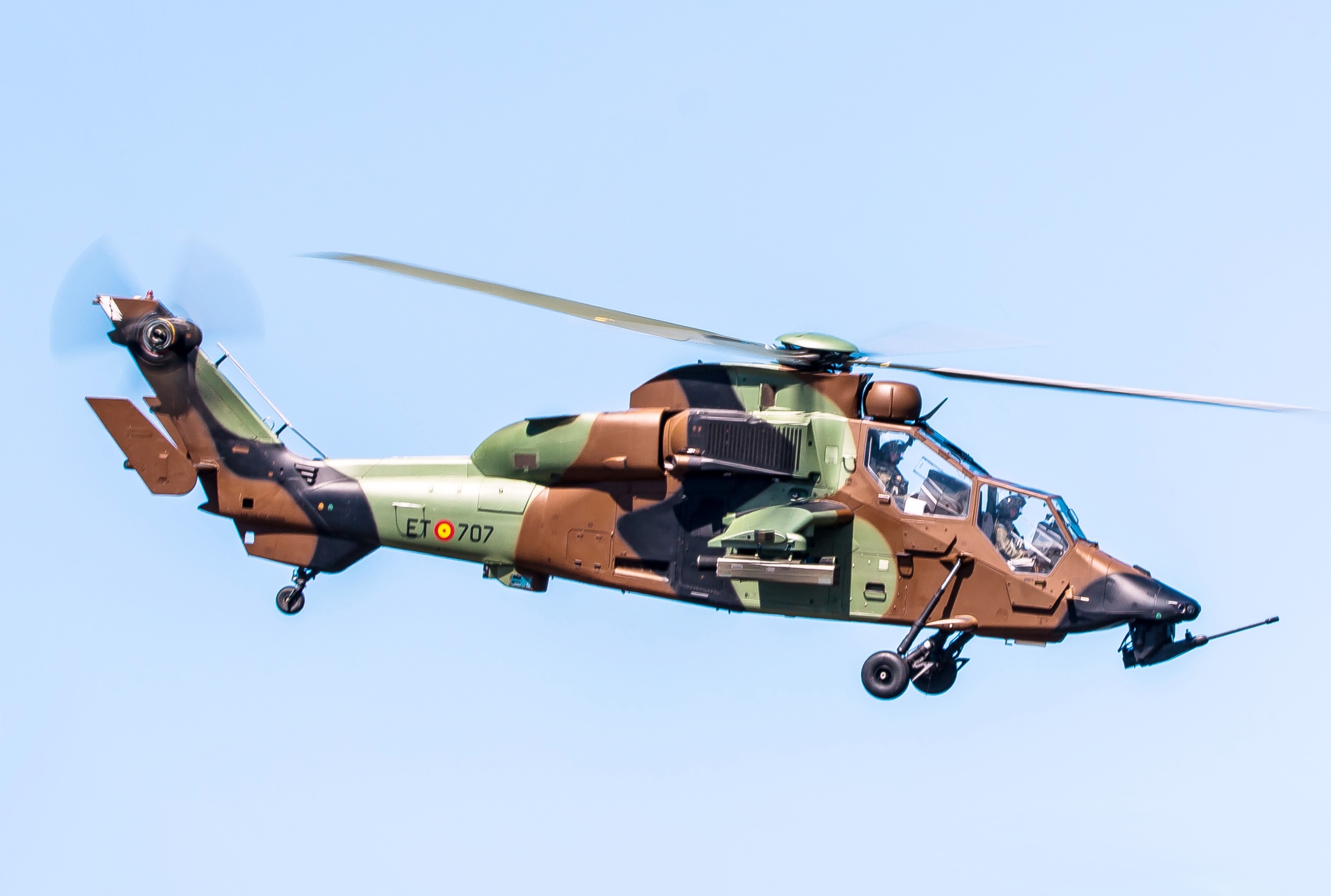
“With you all, including Raphaëlle. We’re struggling with a shortage of spares, particularly for the Tigers, given their high sustainment costs. Do we cannibalise the oldest or most-used airframes, as some air forces do? Although we’re getting MiG-29s refurbished at Dęblin.”
“The UAF is hoping the Australian government will gift their Tiger fleet to them,” said Conchita. “If that happens, we might benefit, although attack helicopters face numerous threats on the front. AI will also make drones tougher to defend against. We need to mitigate such dangers. We need to buy time and source spares extensively.”
“Chayka Air has the contacts,” said Kalyna. “We’ll emphasise the urgency.”
“I’m hoping our Mirages are not so vulnerable now that the French government supports us,” said Raphaëlle. “The Gripen resolution removes them from combat-wear. Sending them here, to Dęblin, still allows us to devise strategies against threats such as drones and for training pilots.”
*
Dęblin Military Air Base, Lublin Voivodeship, Poland
Raphaëlle watched the eight Gripens and three helicopters make perfect landings at Dęblin.
Twenty Night Witches gradually alighted, including five maintainers from the NH90 TTH Caïman, whose pilot, Capitaine Aline Bonheur, greeted her in French, kissing her on both cheeks.
“Some of us you know, but I’ll let the others introduce themselves. The six pilots returning to Chayka Field with the MiG-2s await a briefing beforehand.”
Raphaëlle switched into Ukrainian, although colleagues translated when required.
“While our maintainers take charge of your craft, let’s go upstairs. We need to discuss all the arrangements.”
The two Gripen flight leaders, Kapitan Adriana Pavlenko and Kapitan Anzhela Havrylyuk, led their six pilots and the three helicopter crews to the office.
Upstairs, the other aircrew were waiting to welcome their sisters.
“You got your wish, Joëlle,” said fellow French-Canadian, Lyana Rudenko, when Joëlle Vanaga came in with Adelita Palomo.
“I’m co-piloting Delta Tiger for Adelita, since her normal pilot, Conchita Gutiérrez, is one of the new Dispersal Officers.”
“Conchita suggested that Delta’s usual crew take over our Charlie Tiger,” said Adelita. “I’ll be training pilots like Joëlle how to fly Tigers.”
“With our help,” said Echo Tiger’s pilot, Dragica Lukas. “My co-pilot, Marichka Petrenko, and I had hoped our former Australian Army bird would have more combat miles in her.”
“Like Delta, although both are ideal for training and conducting anti-drone experiments,” added Adelita.
“Being newer, Sierra will still return to Ukraine when needed as transport and for search & rescue,” said Aline. “However, my crew and I are here to be involved as required.”
Meanwhile, the eight Gripen were discussing their switches to MiG-29s.
“We don’t need to return immediately,” said Anzhela. “We can eat first.”
“Even leave early morning,” said Adriana. “We left pilots with two F-16s and three Mirage 2000-5Fs on overnight duty-“
“Plus, four attack helicopters,” added Adelita. “So, no hurry deciding who’s staying.”
The Colombian twins, Tamya and Killa Echeverría, shook their heads.
“Already decided,” said Killa, and Tamya concluded, “We’re staying.”
Raphaëlle nodded and winked at the sisters.
“I admire decisive decisions… whoever the reason. As for the two remaining Mirage 2000-5Fs, I’m recommending Lieutenants Noémi Tamm and Lyana Rudenko join our sisters at Chayka Field.”
**
Saturday, June 7th – Chayka Field, Volyn Oblast, Ukraine
Warrant Officer Corynn Amsel saluted as the Chayka majors approached her with Colonel Maksym Bondarenko and an official, whom Maksym introduced.
“I invited Nataliya Khomenko from the State Emergency Service of Ukraine to see how you prepare your K9s for Search & Rescue work.”
Nataliya shook Corynn’s hand and gestured at the dogs and handlers.
“My colleagues and I have received impressive reports of your team’s SAR operations in Kyiv and elsewhere. When Maksym told me about this Open Day, I had to come.”
Corynn was relieved they’d upgraded their agility course and added simulated scenarios, including a ruined building with hazards. Handlers and their K9s were assigned to demonstrate every training stage.
“If there’s anything in particular you’d like to know or see, ask me or another handler.”
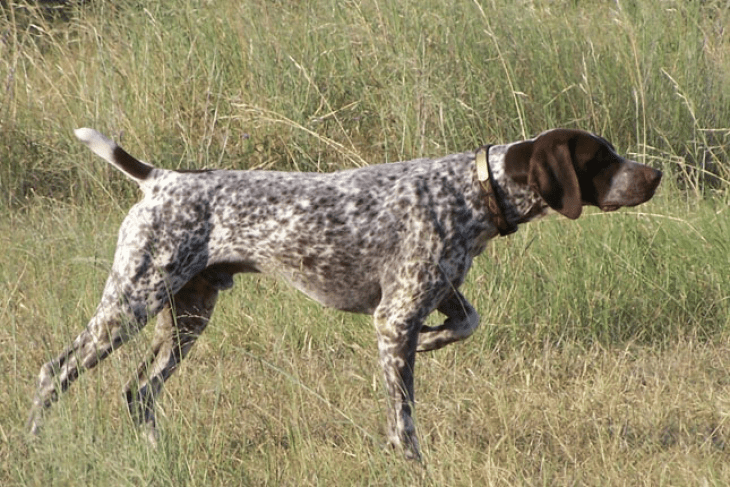
“Let’s start with your GSP. How long have you been together? And how do you all keep your companions so healthy?”
“Rikke and I’ve been together for six years, almost all her life. She was bred by the Canadian Forces Military Police, with whom we both served until the end of December, when I volunteered with four other Canadian handlers to come here. We’ve cared for the dogs together, but now we have a veterinarian as well.”
Corynn waved over and then introduced Taisiya Martynyuk and Tryzub. Nataliya studied the pair briefly but approvingly.
“I guess your service was costly, but I’m glad your East European Shepherd was unscathed. Commendable that you became a veterinarian.”
Taisiya smiled but shook her head.
“I was already a vet. Now, we’re learning to be an effective K9 unit from others.” She pointed at Katiuska Meléndez, whose Siberian Husky, Treka, was sailing around the agility course. “Despite Treka’s size, they’re an experienced search and rescue team. Until I saw them operating, I feared Tryzub would struggle, especially in confined areas.”
“How do you cope with your prosthesis?”
“Incredibly well considering she plays football,” said Corynn. “If you’re here this afternoon, there’s an adaptive football match at 1400.”
*
Maksym allowed Nataliya to follow Conchita into the terminal.
“So, where are your other two medevac helicopters? Like the Black Hawk you’ve often used, reportedly.”
“We used to keep a few rotary craft in here, before we developed the base. Now, especially with Russia’s increased attacks, they’re dispersed to outlying sites. The Black Hawk is hidden in a glade, where the flight crew and maintainers camp. Our larger NH90 is elsewhere until she’s needed.”
“A second SAR base?”
Maksym wanted to avoid mentioning Poland, so he said, “UAF experimental research, like drones. We need to show you the veterinarian and medical clinics in the basement, before the press briefing at 1130.”

*
Vasy had arranged for one section of the Sanctuary to be set up for key personnel to answer questions arising from the Open Day.
“We’re sure, as you toured this SAR facility, there were concerns,” she said. “Like the purpose of this underground area so far from the training facilities.”
“Definitely. What are the rooms off the corridors?” asked a photojournalist at the front. “The empty ones, my apologies to the owners of the obvious bedrooms.”
“Accepted,” said Janina Patriksson. “I also work from mine when not overseeing helicopter maintenance. Those areas double as air raid shelters, and over time, we want to attract those needing safe homes and workplaces.”
“But wouldn’t a direct hit trap everyone down here?” asked SAR official, Nataliya.
“Planned for,” said Janina. “We have an early warning system to allow time to evacuate open areas. Every corridor has a back entrance to ground level.”
Whispers rippled through the audience until someone asked another question.
“Where do your dogs live and eat? Mine are always with me.”
“As are ours,” replied Taisiya, stroking her K9. “Tryzub is my constant companion. All the handlers would say the same.”
“Why did you call him Tryzub? That’s almost too blatant, yet patriotic.”
“He was already named when he rescued me. His owner was a soldier killed on the frontline, so the Ukrainian Trident felt appropriate.”
Before the naming could be discussed, the journalist took a photo and posed a sensitive issue, which Vasy had expected.
“Everyone saw your medevacs and heard gunfire and jet noises for K9 training. But how many of the rumoured fighter planes in the area are part of your defence?”
“Squadrons are using local roads as airstrips to confound the Russians. In an emergency, our facilities can be used,” she replied, pointing at the time. “The Adaptive Football match starts in 30 minutes, and our veterinarian must get ready immediately.”
*
Nilda proudly watched Cauã giving the team their final words of encouragement. This would be their first Home match. The new scoreboard proclaimed FK Zarptitzі .v. FK Khrestonostsi, the Crusaders, who won the First League final in Kyiv.
“Who dreamt up the name ‘Zarptitzі,” asked Maksym, who was sitting beside her on the new tiered seats. “I suspect it’s Chayka in origin.”
She’d seen a Firebird on every aircraft’s nose, and Maksym knew.
“It was a team decision when they moved here.”
Suddenly, everyone stood for the Ukrainian national anthem. Then came the coin toss. And Khrestonostsi kicked off, making an immediate charge to score. Fortunately, the goalkeeper made a one-armed save.
“Brilliant, Olha,” shouted Anhelina Tkachuk, who, with Quetzal, her Siberian Husky, was protecting Maksym. “I’m so pleased my cousin, Olha, has found her niche in the team.”
“That’s where Adaptive Football brings new life and hope to our wounded,” said a representative from the CBA Initiatives Center. “We work with the Ministry of Veterans Affairs of Ukraine and believe sport gives more veterans the opportunity to rebuild themselves.” She paused, then asked, “Can we expect Polina Moroz to use her well-publicised kick?”
Nilda knew the strategy from watching practices and chuckled.
“Perhaps, I’m just the coach’s interpreter.”
A clever pass by a Crusaders player released their striker on a break towards goal. He clipped a brilliant left-footed finish past Dmytro Kovalchuk, which Olha deflected with her residual arm. The ball dropped, allowing the Crusader to score.
Olha clasped her arm in pain.
“Right on the wound,” said Anhelina. “Playing without a prosthesis certainly causes more injuries. Poor Olha.”
Fortunately, the first 25 minutes ended, and the players returned to their respective dugouts for treatment, refreshment, and a half-time strategy talk. Osinniy and other medics ice-sprayed bruised limbs, while Cauã encouraged the team to stay focused.
“We’re only one goal down with the special move ready to surprise them.”
“Unfortunately, after your Kyiv demo,” said Nilda. “Polina’s speciality is well-known.”
“That photo,” said Dmytro, grinning. “Perfect time to exploit that expectation.”
As Nilda translated for Cauã, he adapted the team’s formation and made the allowed substitutions.
When the teams returned to the pitch, the crowd had grown, and partisan support was evident in the cheers.
The Zarptitzі players moved the ball around defensively at first, giving Khrestonostsi the impression of concern.
“Are they scared of conceding another goal?” Maksym asked Nilda.
“Not quite. They’re working up to one.”
She grinned as they pushed forward and the Crusaders began marking Polina tightly and drifting away from her teammates. Even when Dmytro was closing on goal, his single marker just closed his angle on the goal.
Instead, Dmytro flicked the ball as expected, and Polina dropped one crutch, moving as if to leap. The defenders moved to block the ball, failing to see Taisiya drop her crutch to perform a perfect bicycle kick, propelling it past a stunned goalkeeper into the back of the net.

Nilda embraced Cauã.
The crowd was cheering, even some bemused Khrestonostsi fans. Her teammates, especially Polina, engulfed Taisiya.
“I thought Zarptitzі only had one acrobatic player,” said Maksym.
“We did,” replied Nilda. “Until Taisiya was recruited in Kyiv. Since then, Polina has been teaching her how to do a bicycle kick with a prosthesis, and then without.”
“Today she scored,” said Cauã.
On the pitch, Zarptitzі were playing for a draw as the whistle blew. Both teams embraced and began sharing experiences. The fans mingled and celebrated their mutual passion.
When Nilda finished embracing Cauã, once he came off the pitch, the Crusaders coach came over with a friend, whom he introduced as Lutsk’s Mayor.
“When I welcomed the Khrestonostsi team after their spectacular First League victory, I didn’t realise Zarptitzі existed or that a SAR facility was the cause of the unusual rumours locally.”
Before anyone could say anything, the klaxon signalled a scramble. K9 units, medics, and flight crews ran to their helicopters.
Nilda whispered to Cauã, “I’m not on duty, nor is Polina Moroz. But let’s help Taisiya get her prosthesis on.”
Anhelina readied Tryzub, while Osinniy checked both her med bag and Taisiya’s vet kit.
When they were kitted out, Taisiya, Tryzub and Osinniy hurried to the Black Hawk, which had landed beyond the arena.
“This isn’t an exercise,” Nilda announced. “Bad Russian timing.”
“But a chance to demonstrate a speedy SAR scramble,” added Maksym.
**
MPA – 3,250 words

**
Slava Ukraini

Heroiam slava!
*
HEADLINES
Russian Strategic Bombers Destroyed In Unprecedented Wide-Scale Drone Attack (Updated): https://www.twz.com/news-features/russian-strategic-bombers-destroyed-in-unprecedented-wide-scale-drone-attack https://www.twz.com/news-features/russian-strategic-bombers-destroyed-in-unprecedented-wide-scale-drone-attack
Confirmed Losses Of Russian Aircraft Mount After Ukrainian Drone Assault: https://www.twz.com/air/firm-evidence-of-russian-aircraft-losses-after-ukrainian-drone-strikes?utm_source=pushly
**
 Writing Wings
